
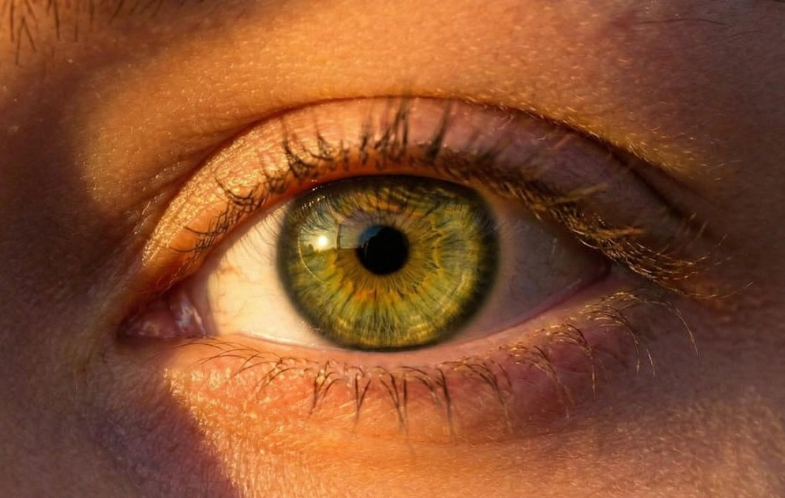
There is something undeniably magnetic about green eyes. The color appears so rarely in the population that many people move through their entire lives without seeing it often. Throughout history, this uncommon shade has inspired legends, metaphors, artwork, and characters written specifically to capture its mysterious charm. People describe green eyes as memorable not solely because of the color itself.
They often feel expressive, shifting subtly with emotion, sunlight, or the smallest change in setting. Many associate them with creativity, steady confidence, or a quiet depth that draws attention without effort. For generations, green eyes have sparked curiosity, leading people to wonder what makes them feel distinct from other eye colors.
From a scientific standpoint, the explanation begins with the interaction between light and the iris. Green eyes do not contain green pigment. Their unique shade forms through a blend of low melanin levels and the presence of a yellowish pigment known as lipochrome.
When light moves through these components, the Tyndall effect scatters it in a way that produces the green tone our eyes perceive. This process reveals why green eyes can appear to shift in different environments. Outdoors, they may brighten in natural light. Indoors, they may take on a deeper or softer quality. This dynamic range contributes to the allure many people feel when they encounter them.
Melanin levels influence sensitivity as well. People with lighter eye colors, such as gray, blue, or green, frequently experience increased sensitivity to bright surroundings. A sunny day, reflective surfaces, or intense artificial lighting can create discomfort sooner than it would for someone with a darker iris. Protective habits like wearing sunglasses, using hats with brims, and scheduling regular eye exams support long-term comfort.
These habits also help protect vision from cumulative strain. These factors apply to green eyes and other light-colored eyes, creating a shared experience among those with irises that respond more strongly to brightness.
Culturally, green eyes hold a long legacy. Many early stories connected them with intuition, independence, or a sense of inner fire. In literature and film, green-eyed characters often carry traits associated with mystery, individuality, or quiet strength. Artists have used the color to portray characters who break expectations or who possess a depth that unfolds slowly throughout a story. While these ideas come from imagination rather than science, they show how strongly green eyes have influenced creative expression in many parts of the world.
In modern conversations, fascination with green eyes continues. People are drawn to their rarity and to the way the color seems to reveal new layers depending on the lighting or the emotion of the person who has them. The appeal grows from both the science that shapes the color and the individuality behind it. Green eyes demonstrate how subtle variations in pigment and structure can form something remarkable, reminding us that beauty often emerges from the smallest details.
For anyone with green eyes, understanding the science, the sensitivity considerations, and the cultural history brings an added layer of appreciation. These eyes are not symbols or omens. They highlight the remarkable diversity of human appearance and show how light, biology, and perception combine to create something truly striking. Their presence in stories, legends, and daily life continues to inspire people, reinforcing the idea that rare features often carry a special sense of wonder.