
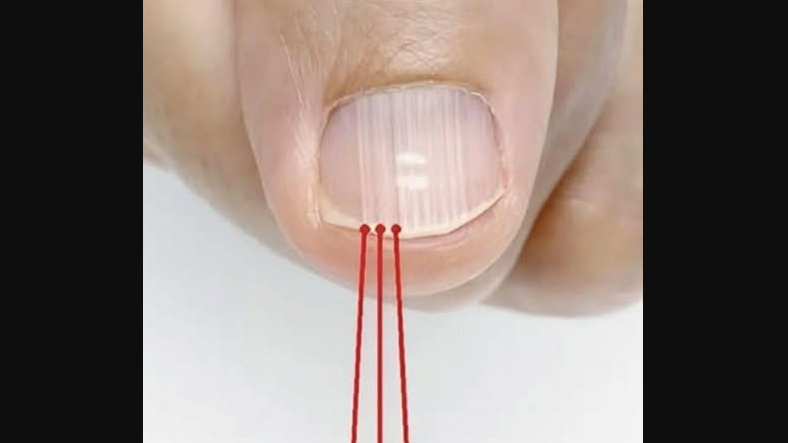
Many people first notice the change during an ordinary moment: they look at their hands and see delicate vertical lines running along the fingernails. These faint ridges tend to appear more clearly as the years pass, sparking curiosity or a quiet moment of wonder about what the body reveals over time.
The shift often feels unexpected at first, yet it reflects a perfectly normal phase in how nails develop throughout life. As the rate of nail growth adjusts and the renewal of cells gently slows, the once-smooth surface can develop those soft, lengthwise elevations. In the vast majority of cases, these lines remain completely benign and represent one of the many graceful ways the body expresses the passage of time.
Daily habits and environmental factors also influence the texture and strength of nails in meaningful ways. Frequent handwashing, exposure to dry or cold weather, and contact with household cleaners without gloves can gradually draw moisture away from the nail plates.
Over weeks and months, this moisture loss leaves nails feeling drier and sometimes more pronounced in their natural ridging. Beneath the surface, nutrition plays an equally important role. Essential nutrients including biotin, iron, zinc, and protein contribute directly to the formation of strong, smooth nails. When intake of these elements falls short for any reason, subtle changes may appear not only in the nails but also in the hair and skin. Adequate water intake supports overall hydration, helping nails retain flexibility and reducing the likelihood of brittleness or exaggerated texture.
Although vertical ridges almost always belong to the category of harmless age-related traits, paying gentle attention to nail appearance remains a valuable practice. Sudden deepening of the lines, unusual thickening, color changes, pitting, or any associated discomfort can occasionally point toward other health considerations.
Such developments occur infrequently, yet when nail changes arrive quickly or accompany symptoms elsewhere in the body, consulting a healthcare professional often brings peace of mind. A qualified doctor or dermatologist can evaluate whether the ridges stem from simple maturation, or whether factors such as thyroid function, circulation, skin conditions, or nutrient absorption deserve closer review.
The encouraging news lies in how straightforward it can be to nurture healthy nails at any age. Regular application of a quality hand cream or cuticle oil helps lock in moisture and supports the nail bed. Wearing protective gloves during household chores shields nails from harsh detergents and prolonged water exposure.
Choosing a diet rich in fruits, vegetables, lean proteins, nuts, and whole grains supplies the building blocks for resilient nail growth. Staying well-hydrated throughout the day further enhances the body’s ability to maintain strong, flexible nails. Gentle filing, avoiding excessive buffing, and refraining from picking at cuticles all contribute to preserving the natural integrity of the nail surface.
Vertical ridges on fingernails serve as small reminders of a life fully lived rather than signs of decline. With consistent, caring habits, nails can continue to feel comfortable and look attractive regardless of the number of birthdays celebrated.
Many individuals discover that embracing these gentle lines as part of their unique story brings a sense of acceptance and appreciation for the body’s remarkable journey through the years. By offering nails the same thoughtful attention given to skin or hair, people often enjoy smoother, stronger results and a renewed confidence in their hands’ appearance. Small acts of daily care transform a natural change into an opportunity for self-nurturing and well-being at every stage of life.