
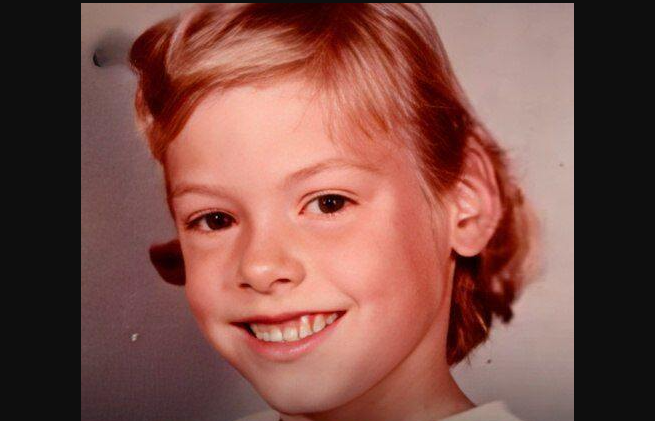
In an old, faded childhood photograph, she appears like any other little girl — shy, slight, and holding onto a fragile sense of innocence. Nothing in that simple image reveals the path her life would eventually take or the depth of the wounds that shaped her future. That small child would later grow into Aileen Wuornos, one of the most widely discussed and unsettling figures in modern American history.
Her story reaches far beyond the events that filled newspapers. It also reflects the effects of growing up without stability, safety, or genuine support. Her early environment created years of emotional struggle, and those years guided her steps long before the world ever heard her name.
A Beginning Filled With Turmoil
Aileen was born in 1956 in Michigan, entering a world filled with instability from the moment she opened her eyes. Her parents were unable to care for her, and by the time she reached toddlerhood, she and her brother were taken in by their grandparents.
The home meant to offer protection carried its own challenges. Many accounts of her childhood describe an atmosphere filled with fear, tension, and uncertainty. Warmth was difficult to find, and Aileen often felt as though she never truly belonged. These early years were marked by experiences most children never should face.
For Aileen, the period that should have offered comfort turned into a sequence of hardship and emotional strain.
Forced Into Adulthood Too Early
By the age of fourteen, Aileen’s life had already spiraled into a direction far too heavy for a teenager. She became pregnant at an age when her world should have been centered on school, friendships, and learning who she wanted to be. With very few dependable adults, she made the painful decision to place her baby for adoption, hoping he would grow up with the stability she never had.
The fragile structure around her kept falling apart. Family losses, constant instability, and a deep lack of emotional support pushed her out of school and onto the streets. While other teens were planning futures, she was trying to survive each day with limited resources and no guidance.
These years set her on a path marked by drifting, searching for acceptance, and trying to find a sense of direction that rarely appeared.
A Young Woman Struggling to Survive
As a young adult, Aileen left Michigan and traveled to Florida with the hope of starting over. Stability remained out of reach and survival was often the focus. She faced homelessness, financial hardship, and emotional wounds that had never been addressed.
Her record filled with nonviolent arrests connected to poverty and difficult circumstances. Throughout this period, she handled life almost entirely on her own. The trauma she carried from childhood influenced her decisions, her relationships, and her perception of the world.
Many psychologists who later studied her case noted that these unaddressed wounds formed the foundation for the struggles that followed her into adulthood.
A Series of Tragic Encounters
Between 1989 and 1990, a succession of tragic events in Florida placed Aileen in the national spotlight. Several men she encountered lost their lives in separate incidents that quickly attracted investigators, prosecutors, and widespread media attention.
Aileen stated that she had acted out of fear during threatening situations. The evidence presented in court led authorities to reach other conclusions. Her past, filled with trauma and instability, remained in the background while headlines focused on the criminal cases unfolding.
She faced multiple severe charges and ultimately received some of the harshest penalties under the law. Her case became one of the most debated in modern crime history, raising complex questions involving trauma, mental health, and the long-term effects of instability.
A Life That Never Had a Fair Chance
In later interviews, Aileen spoke about feeling lost, overwhelmed, and deeply misunderstood. Many who examined her life recognized the emotional pain she carried. Others focused strongly on her actions, which caused grief and distress for many families.
Observers from every perspective agreed that her childhood was filled with hardship from the very start. The little girl in that old photograph never experienced the stability or support that children need in order to grow into secure adults.
Her story serves as a reminder that suffering left unaddressed can reach far into a person’s life. It does not erase the choices she made or the pain experienced by others. It provides insight into how a life shaped by instability and trauma can drift away from the path it might have followed.
By the time the world learned her name, the path back to the person she might have become was no longer within reach.