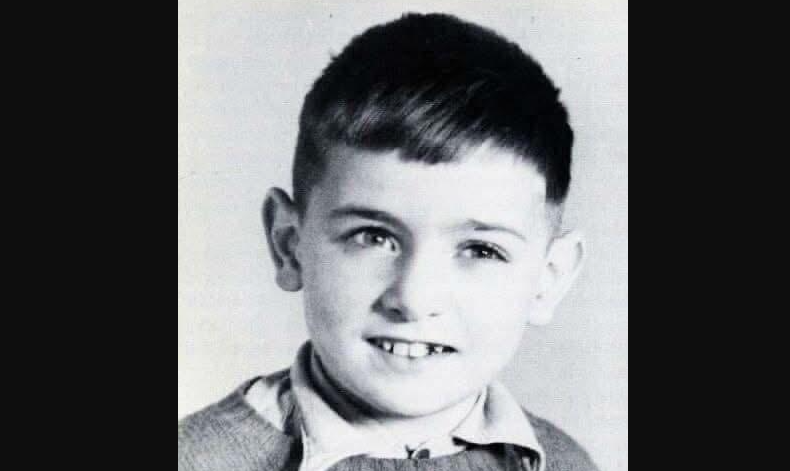

The theater community is taking time to reflect on the life and work of one of its most treasured performers, a Tony Award–winning actress whose career spanned more than sixty years and left a deep mark on American theater and television. She passed away at the age of 84 at her home in Woodbury, Connecticut, following an illness, according to her husband, Christopher Pelham. Her passing prompted an outpouring of tributes from fellow actors, directors, students of theater, and audiences who followed her work across decades. Many remembered not only her talent, but also the sincerity, discipline, and emotional depth she brought to every role.
Throughout her career, she developed a reputation for fully inhabiting her characters, approaching each performance with respect for the story and the audience. Her influence reached far beyond individual productions. Through stage performances, television roles, and teaching by example, she helped shape how storytelling was experienced in American performing arts. For generations of theatergoers, her work offered moments of recognition, reflection, and emotional truth that lingered long after the curtain fell.
She was frequently and fondly referred to as “America’s Judi Dench,” a title earned through emotional intelligence, refined technique, and a fearless commitment to layered characters. Her career began gaining momentum in Off-Broadway productions, where her presence quickly drew attention. Her breakthrough came with the role of Sister Mary Ignatius in Sister Mary Ignatius Explains It All for You. That performance earned her an Obie Award and highlighted her ability to balance sharp humor with vulnerability and conviction. Audiences and critics recognized her gift for revealing complex inner lives without exaggeration, setting the tone for a career anchored in artistic integrity.
Her work continued to expand in scope and acclaim, reaching a celebrated milestone with her portrayal of Linda Loman in the 1999 Broadway revival of Death of a Salesman. Starring alongside Brian Dennehy, she delivered a performance widely regarded as one of the most emotionally resonant interpretations of the character. The production itself became a defining moment in contemporary theater, and Arthur Miller openly praised the depth and humanity she brought to the role. Her portrayal carried forward into the Showtime television adaptation, earning her an Emmy nomination and extending the reach of her performance to a wider audience.
Across the stage, she appeared in numerous major productions that demonstrated remarkable range and adaptability. Her work included Brighton Beach Memoirs, Morning’s at Seven, The Cherry Orchard, and The Miracle Worker. Each role reflected a thoughtful approach to character and story, reinforcing her reputation as a performer who valued substance, preparation, and emotional honesty. Directors and fellow actors often spoke about her professionalism and the quiet authority she brought to rehearsal rooms and performances alike.
Her talent also flourished on screen, opening doors to film and television audiences who came to recognize her presence as a mark of quality. She appeared alongside respected actors including Robert De Niro, Harrison Ford, and Jamie Lee Curtis. Television viewers remembered her performances in series such as Gilmore Girls, Grey’s Anatomy, Homeland, Judging Amy, and Law & Order. Each appearance carried the same level of care and focus that defined her stage work, reinforcing her versatility across mediums.
In interviews, she spoke candidly about how acting became a source of strength during challenging periods of her early life. The discipline of performance and the structure of storytelling offered clarity and purpose, shaping her resilience both on and off the stage. That perspective informed the compassion she brought to her characters and the humility with which she approached success.
She is survived by her husband, Christopher Pelham, and her brother. Beyond her immediate family, she leaves behind an enduring community of admirers, students, and fellow artists whose lives were influenced by her work. Elizabeth Franz’s legacy endures through performances that continue to be studied, remembered, and cherished. Her devotion to her craft, her courage in storytelling, and her unwavering grace helped shape an art form she served with distinction for more than half a century.